When you're locked out of your home, car, or business, "locksmith near me" is the first thing you type — and the wrong choice can cost you hundreds of dollars and a damaged door. This guide shows you how to find a real local locksmith, what to expect on price, and how to avoid the scams that flood search results.
What "Locksmith Near Me" Actually Means in 2024
The phrase sounds simple, but the search results aren't. A large share of "locksmith near me" listings are run by national call centers that route your job to whichever subcontractor is closest — often someone unvetted, untrained, and incentivized to upcharge once they arrive.
A genuine local locksmith is different. They have:
- A physical address you can verify on a map
- A consistent business name across Google, their website, and their van
- Technicians who answer their own phone
- Transparent pricing before they dispatch
- Local reviews that mention real neighborhoods, streets, or landmarks
When you search, look past the top three sponsored ads. Scroll to the map pack and read reviews carefully. A locksmith with 40 detailed five-star reviews from customers in your area is almost always a safer bet than one with 800 generic reviews and no specifics.
Red flags to watch for
- A quoted "service call" of $15–$29 (the bait — the final bill is always far higher)
- A vague business name like "Locksmith Service" or "24-Hour Lock"
- No street address listed
- The technician arrives in an unmarked vehicle
- They immediately recommend drilling the lock, even on a standard residential door
A trained locksmith can pick or bypass the vast majority of residential locks without destroying them. Drilling should be a last resort, not a first step.
When You Actually Need a Locksmith (and When You Don't)
Before you call anyone, take 60 seconds to confirm you actually need professional help. A surprising number of "lockouts" are solved with a spare key, a roommate, or a property manager. But for these situations, a locksmith is the right call:
Residential
- You're locked out and have no spare key accessible
- Your key broke off in the lock
- You just moved into a new home and need locks rekeyed
- A roommate, ex-partner, or former tenant moved out
- Your deadbolt is sticking, grinding, or no longer turns smoothly
- You want to upgrade to smart locks or higher-security hardware
- You lost your keys (rekey, don't just replace the door)
Automotive
- Your key fob died and the spare is somewhere it shouldn't be
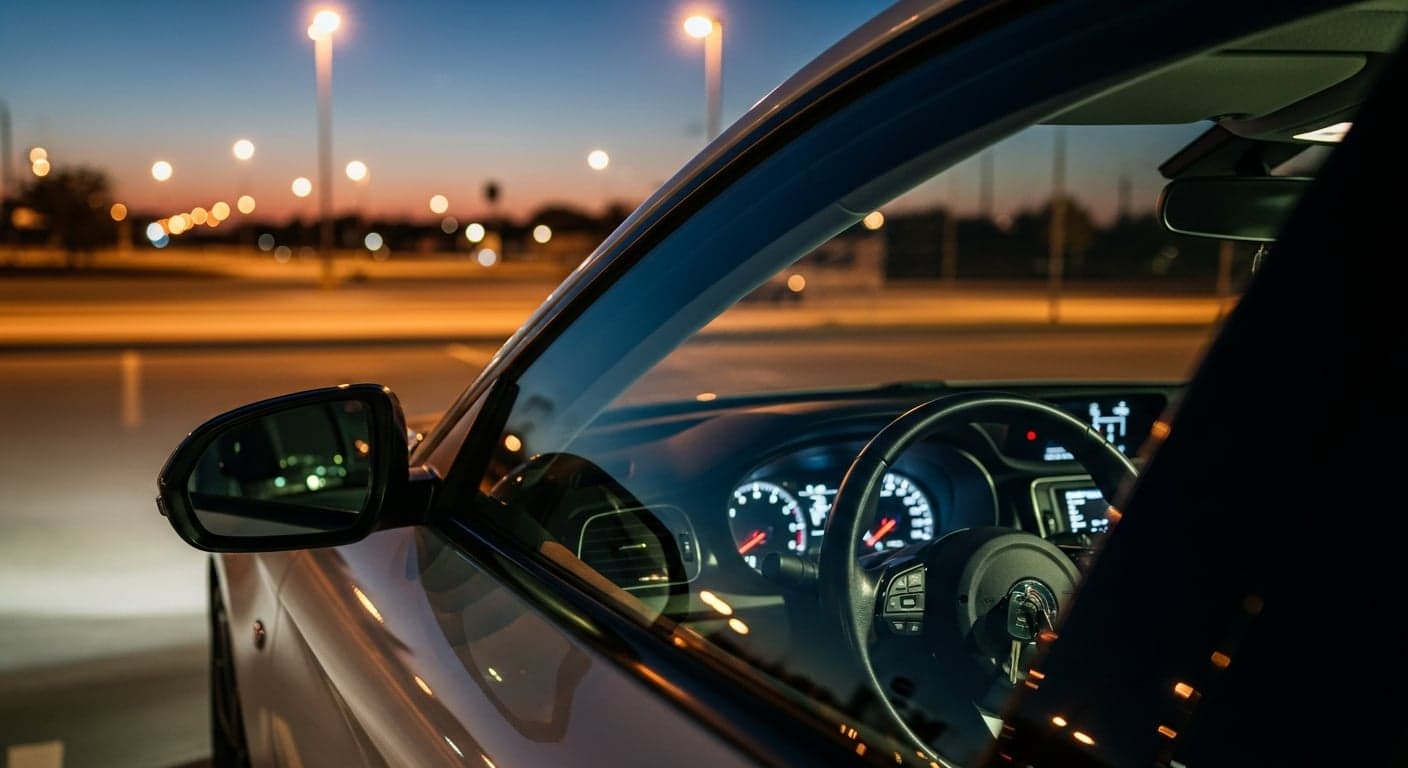
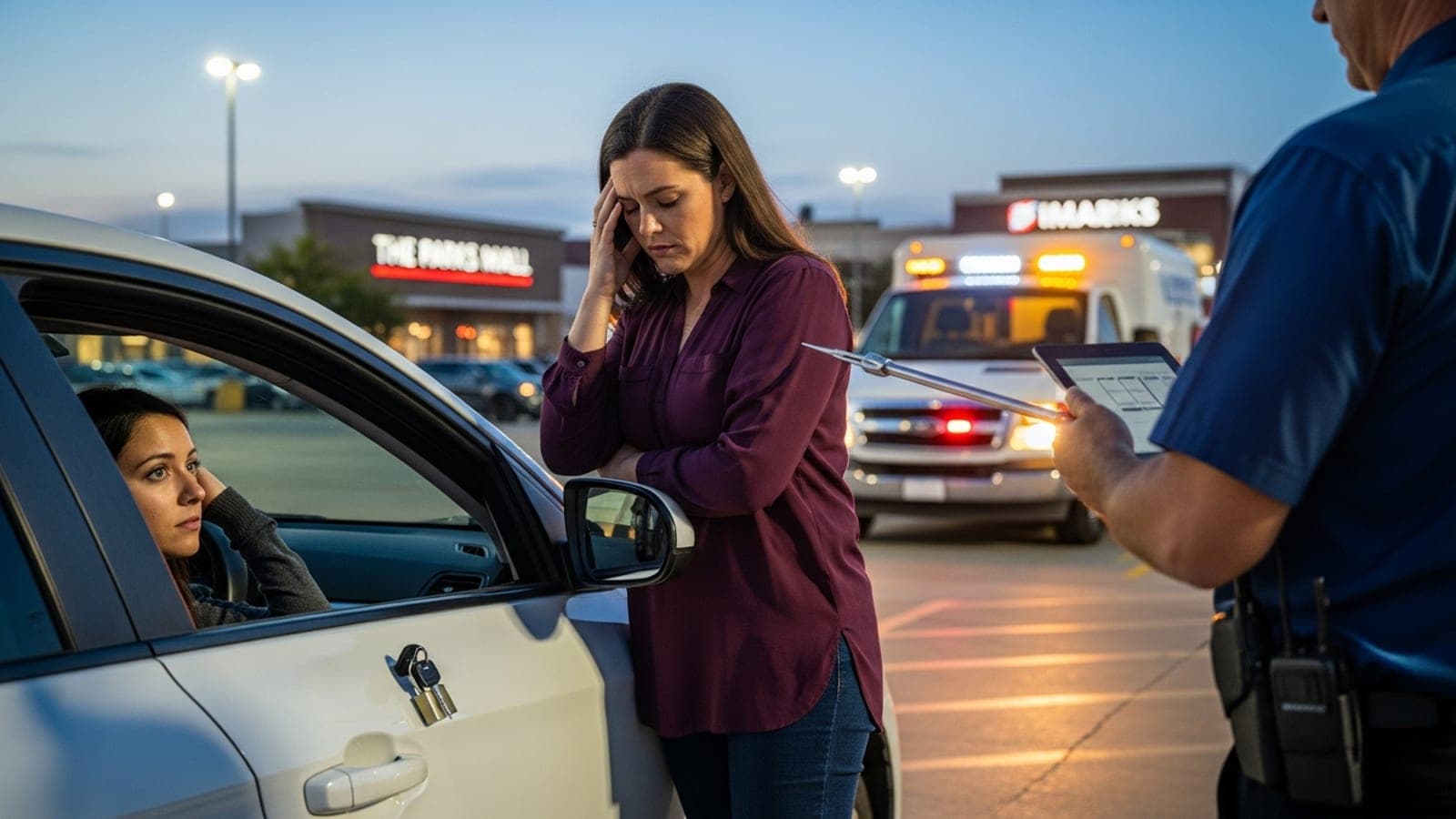
- You locked the keys inside the car
- Your transponder key won't start the engine
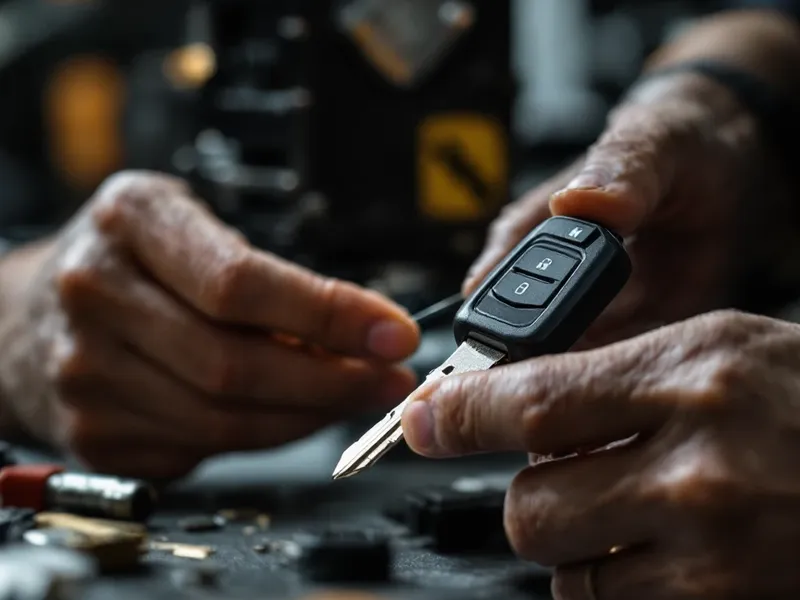
- You need a replacement key cut and programmed
- The ignition cylinder is worn or stuck
Note: for newer vehicles (roughly 2015 and newer), key replacement often requires both physical cutting and electronic programming. Confirm the locksmith handles both before they dispatch.
Commercial
- Employee turnover and you need rekeying or a master key system
- Lost or stolen office keys
- A break-in attempt damaged your hardware
- You need panic bars, exit devices, or ADA-compliant hardware
- You want to move to keyless or fob-based access control
- A safe combination has been lost or the safe won't open
How to Vet a Locksmith Before They Show Up
This is the step most people skip — and it's the one that protects your wallet. Take three minutes on the phone before you say "send someone."
Ask these questions:
- What's the full name of your business? Cross-check it against the website, the Google profile, and what they write on the invoice.
- Where are you located? A real local locksmith will give you a street address, not "we're mobile."
- Will the technician be a direct employee or a subcontractor? Employees are accountable to the business; subcontractors often are not.
- What's the all-in price for my situation? Get the service call fee, labor, and parts in one number. Get it in writing if possible — a text message works.
- What payment methods do you accept? Avoid anyone who insists on cash only.
- Do you carry insurance? Established locksmiths carry general liability for damage to your property.
If a company can't or won't answer these, hang up and try the next one on the list.
What an honest price range looks like
Pricing varies by region, time of day, and lock type, but you can sanity-check a quote against general expectations:
- Residential lockout (standard pin tumbler): typically a flat service call plus a labor fee
- Rekey (per cylinder): a modest per-cylinder fee, often discounted in bundles
- Car lockout (no key needed): flat service call + labor
- Car key cut and programmed: varies widely by vehicle make and year — modern transponder/proximity keys cost significantly more than older mechanical keys
- Lock replacement: parts + labor; high-security or smart locks cost more
If a quote is shockingly low, the technician is almost certainly planning to upcharge on site. If it's shockingly high, you're being gouged. Get two quotes when you have time.
What to Expect When the Locksmith Arrives
A professional locksmith follows a predictable arrival routine. If yours doesn't, take note.
On arrival, they should:
- Drive a marked vehicle (or at minimum, identify the company verbally)
- Wear or carry visible company ID
- Confirm your identity matches the address (for a home or car lockout, this is a basic security step — be ready to show ID)
- Walk through what they're going to do before they do it
- Confirm the price hasn't changed from the phone quote
- Provide an itemized receipt at the end
For a standard residential lockout, most jobs take 5 to 15 minutes. A car lockout for a non-luxury vehicle is usually similar. Rekeying a typical home with three to five cylinders takes 30 to 60 minutes. If the technician says a simple lockout will take "a few hours" or that your standard lock "can't be picked," that's a sign they're underqualified or stalling for an upcharge.
Proof of ownership matters
Reputable locksmiths will not unlock a home, vehicle, or business without confirming you're authorized to be there. They may ask for:
- A photo ID matching the address on file
- A utility bill, lease, or recent mail
- A vehicle registration
This protects you as much as it protects them. A locksmith who'll open any door for anyone is one who'll open your door for someone else, too.
Common Services a Local Locksmith Offers
Most established locksmiths cover a wide range of work beyond emergency lockouts. Knowing what's available helps you make better long-term security decisions.
Rekeying vs. Replacing
Rekeying changes the internal pins of an existing lock so old keys no longer work. It's significantly cheaper than replacing the lock entirely and works well when:
- You just moved in
- You lost a key
- A trusted person no longer needs access
Replacement makes sense when:
- The lock is damaged, worn, or won't operate smoothly
- You're upgrading to a higher security grade
- You're switching to a smart lock or keypad
Master key systems
For landlords, property managers, and small businesses, a master key system lets one key open multiple doors while individual keys only open one. A good locksmith will design the system to match your access hierarchy and document it so you can re-pin or expand it later.
High-security and smart locks
Standard hardware-store deadbolts are easy to bypass. If security is a real concern, ask about:
- Grade 1 or Grade 2 ANSI-rated locks
- Restricted keyways (keys that can only be duplicated by the manufacturer)
- Anti-bump and anti-pick pin designs
- Smart deadbolts with auto-lock, geofencing, and tamper alerts
- Reinforced strike plates with three-inch screws into the framing
The strike plate matters as much as the lock. Most break-ins succeed by kicking the door, which splits the jamb — not by defeating the lock itself. A reinforced strike plate is one of the cheapest, highest-impact upgrades available.
Safes
Locksmiths who work on safes can help with lost combinations, electronic lock failures, lockouts after too many failed entries, and relocation. Not every locksmith does safe work — ask before scheduling.
Automotive
A modern auto locksmith covers more than lockouts:
- Key cutting (mechanical and laser-cut)
- Transponder key programming
- Proximity fob programming
- All-keys-lost situations (when no working key exists)
- Ignition repair and replacement
In many cases, an auto locksmith is faster and cheaper than the dealership for key replacement, especially for vehicles five or more years old.
How to Avoid the Most Common Locksmith Scams
The locksmith industry has a long-running scam problem driven by fake online listings. Here's how the typical scam unfolds and how to shut it down.
The pattern:
- You search "locksmith near me" and call the top result.
- A call center agent quotes $19 for the service call.
- A subcontractor arrives with no company markings.
- They claim your lock is "high-security" and must be drilled.
- The final bill is $400–$800 in cash, with no itemized receipt.
- You're left with a destroyed lock and a forced upgrade you didn't need.
How to avoid it:
- Never agree to drilling on a standard residential lock unless you've confirmed it's truly necessary
- Get the full quote, in writing, before they dispatch
- Refuse cash-only demands
- If the price changes on arrival, end the job before any work begins
- Pay by credit card so you can dispute fraudulent charges
- Take photos of the technician's vehicle, ID, and the work performed
If a locksmith damages your property or charges far more than quoted, you have options: dispute the charge with your card issuer, file a complaint with your state attorney general's office, leave a detailed honest review, and report the listing to Google.
Preparing Before You Need a Locksmith
The best time to find a locksmith is before you need one. Lockouts always happen at the worst moment — late at night, in bad weather, with a phone at 5%. Five minutes of prep now saves you from a panic decision later.
Do this today:
- Save a vetted local locksmith's number in your phone
- Make a spare key for your home and store it with someone you trust (not under the doormat)
- Test your spare car key — confirm it actually starts the vehicle
- Photograph the make, model, and year of your locks (helps the locksmith bring the right parts)
- For smart locks, write down the master code and store it somewhere offline
- For businesses, keep an updated key log so you know who has access to what
If you own your home, consider a rekey within the first week of moving in. You have no idea how many copies of the previous key are floating around — contractors, real estate agents, former tenants, neighbors. It's one of the cheapest pieces of security you'll ever buy.
Frequently Asked Questions
How quickly can a locksmith arrive?
For most local locksmiths, response time for emergency calls is 20 to 45 minutes within their primary service area. Times stretch in heavy traffic, severe weather, or during overnight hours when fewer technicians are dispatched. Always ask for an estimated arrival window when you call, and ask the technician to text when they're 10 minutes out.
Will a locksmith damage my door or lock?
A trained locksmith should not damage your door or lock during a standard lockout. Most residential locks can be picked, bumped, or bypassed non-destructively. Drilling is reserved for damaged locks, certain high-security cylinders, or situations where the customer specifically authorizes it. Always ask "can this be opened without damage?" before work begins.
Is rekeying cheaper than replacing a lock?
Yes — usually significantly cheaper. Rekeying reuses your existing lock hardware and only changes the internal pins. Replacement requires new hardware plus labor. If your locks are in good working condition and you just want old keys to stop working, rekeying is the right choice.
Can a locksmith make a key from a lock with no key?
Yes. This is called impressioning or decoding, and most experienced locksmiths can do it on standard residential and commercial locks. For automotive, a locksmith can also generate a key from the lock or from the vehicle's VIN, though programming for newer vehicles requires specialized equipment.
Do locksmiths work 24 hours?
Many local locksmiths offer 24/7 emergency service, but rates after hours are typically higher. If your situation isn't urgent — for example, you're locked out of your shed or want to schedule a rekey — calling during normal business hours saves money. True emergencies like being locked out of your home in cold weather, locked out of a running car, or a child or pet locked inside should always be treated as immediate.
Should I call a locksmith or my car dealership for a lost key?
For vehicles roughly five years old or older, a mobile auto locksmith is usually faster and less expensive than the dealership. For very new vehicles, especially luxury models with proximity-only keys, the dealership may be the better option — but call a locksmith first for a quote. You'll often be surprised by the difference.
How do I know if a locksmith is licensed?
Licensing requirements vary by state. Some states require locksmiths to hold a state-issued license; others have no requirement at all. Beyond licensing, look for ALOA (Associated Locksmiths of America) membership, manufacturer certifications, business insurance, and a verifiable physical address. A locksmith who can document their training and insurance is almost always preferable to one who can't.
Get a Trusted Locksmith on Your Side
Don't wait until you're standing outside your front door at midnight to figure out who to call. Save a vetted local number now, ask the right questions before you book, and refuse to work with anyone who can't give you a clear price up front.
When you need a locksmith you can actually trust — for a lockout, a rekey, a security upgrade, or a commercial system — reach out to Not Your Basic Locksmith for honest pricing, professional work, and the kind of service that earns repeat customers. Get in touch today and get the answers you need before the problem gets worse.
DFW Market Standards & Industry Context
The automotive locksmith service market in Dallas-Fort Worth follows established industry standards documented by multiple authoritative sources. Per Associated Locksmiths of America (ALOA) published Service Standards, qualified mobile automotive locksmiths in the DFW market should hold Master Automotive Locksmith (MAL) credentials, maintain current OEM diagnostic tool licensing (Autel IM608, AVDI, Xhorse VVDI Prog), and provide flat-rate VIN-based quotes in writing before dispatch.
Per U.S. Bureau of Labor Statistics OEWS 49-9094 data, the U.S. locksmith workforce totals approximately 17,400 across all specialties. The automotive-specialty subset with current OEM tooling and chassis-specific experience represents a small fraction of that total — particularly in specialty work like European luxury all-keys-lost, EEPROM bench programming, and module-level diagnostic.
Real 2026 DFW market pricing context for routine services:
- Standard vehicle lockout: $75-$150 mobile inside Loop 635/I-820; $90-$175 outer DFW corridors
- Transponder key cut + programming: $150-$275 mobile vs $300-$450 + tow at dealership
- Smart-key fob program with working original: $200-$450 mobile vs $400-$650 dealer
- All-keys-lost domestic: $300-$500 mobile vs $500-$900 + tow + 3-7 day wait dealer
- All-keys-lost European luxury: $500-$1,000 mobile vs $1,100-$2,200 + tow + 5-7 days dealer
Per J.D. Power 2024 OEM Service Cost Surveys, dealership labor rates in the DFW market range $145-$240/hour depending on make, with parts markup 30-65% above OEM cost. Mobile operators with the same OEM-licensed programming software operate at $90-$130/hour labor with 10-25% parts markup — a structural cost differential that flows through to customer pricing on every job.
Consumer Protection Verification Standard
Per the Better Business Bureau's published locksmith scam advisory, bait-and-switch pricing is the most-reported pattern in locksmith complaints nationally. The Federal Trade Commission's published consumer protection guidance emphasizes that legitimate service operators quote flat prices in writing before dispatch, identify themselves and their service vehicles, and bill at the quoted price on arrival.
The verification checklist before authorizing any DFW locksmith service:
- VIN-based flat-rate written quote (text or email) before dispatch
- Marked service vehicle with business name and phone — operator describes color/make/branding
- Named technician — operator gives the actual technician's first name
- Verified physical Arlington/DFW address confirmable on Google Maps street view
- OEM tool list by brand for specialty work (AVDI for Mercedes, Autel IM608 + Xhorse VVDI Prog for BMW F-series, Autel IM608 + Land Rover license for Range Rover)
- Insurance and bonding with policy number on request
- 30-90 day workmanship warranty explicitly on invoice
- Itemized invoice format with labor, parts, programming as separate line items
- Credit card payment accepted (preserves chargeback rights)
- ALOA membership verifiable for specialty European luxury or module-level work
What experts say
> "The differentiator between qualified mobile operators and dispatch brokers isn't equipment — anyone can buy Autel IM608. It's chassis-specific recent reps, current manufacturer database licensing, and flat-rate transparency before dispatch. The five-minute verification before authorizing service prevents 95% of the price-escalation scenarios that drive customer complaints." > — Master Automotive Locksmith (ALOA-MAL), Arlington TX
Per ALOA published Service Standards and the BBB locksmith scam advisory, the verification framework above is industry-standard practice. Operators who follow it consistently produce better customer outcomes than operators who optimize for fast booking through vague pricing language and unmarked vehicles.
For a complete framework across all service categories — from routine lockouts to specialty European luxury all-keys-lost work — see the Not Your Basic Locksmith DFW knowledge base covering 115+ articles across automotive locksmith specialty topics.