Airbag (SRS) Module Reset and Replacement Cost in DFW
Direct answer. As of October 2026, clearing crash data from an airbag control module in Dallas–Fort Worth runs $120–$250 as a bench job, or $200–$300 as a mobile visit. Replacing the module and programming it to the car runs $350–$750. A new dealer-supplied module is typically $400–$1,200 before it is programmed. None of those prices includes the airbags, seat-belt pretensioners or sensors that deployed — the module is the last line on a collision repair, not the repair.
That last sentence is the one that matters, and it is the reason this page exists. Most of what is written about airbag module cost quotes a single low number and stops. The number is real. It is also the smallest part of the bill on any car whose airbags actually fired, and treating it as the whole job is how people end up with a dark warning light over a restraint system that will not work.
What follows is the full price picture: every line, what it buys, and what decides which line applies to your car. Call (682) 344-1957 if you want it worked out for a specific vehicle.
The price table
Dallas–Fort Worth bands, current as of October 2026. Ranges, not quotes: the platform, the model year and the physical condition of the module decide where inside a band a car lands.
| Airbag module job | DFW price | What it covers | What it does not cover |
|---|---|---|---|
| Airbag system diagnostic scan | $50–$100 | Reading the SRS fault memory and identifying which circuits are open or stored | Any repair |
| Crash-data reset, module on the bench | $120–$250 | Erasing the stored event and hard codes from a healthy module's memory | Deployed airbags, pretensioners, sensors, wiring |
| Crash-data reset as a mobile visit | $200–$300 | The same data operation, done at the vehicle's location | The same exclusions |
| Module replacement, no programming required | $200–$450 | Supplying and fitting a module on platforms that accept one without configuration | Restraint components |
| Module replacement plus programming | $350–$750 | Supplying, fitting, VIN-writing and configuring a module to the vehicle | Restraint components |
| New dealer-supplied module, before programming | $400–$1,200 | The part at the dealer parts counter | Fitting, programming, restraint components |
| Luxury and European platforms | Quoted by VIN | Reset or replacement where the platform allows it | — |
| Multiple-sensor reset with module service | Quoted after the scan | Module work plus sensors that also latched | Sensors that must be physically replaced |
The two reset rows are the same job in two places. On the bench, the module has already been removed and is brought or sent in; the price is for the data work alone. As a mobile visit, the price includes coming to the car. Neither row includes removing and refitting the module on vehicles where it is buried under the console, which is quoted by vehicle.
"No programming required" is a shrinking category. On older platforms a replacement module of the correct part number can be fitted and will supervise the system. On most vehicles from the last decade it has to be configured to the car's VIN and equipment, and an unconfigured module sets its own faults within seconds.
The dealer part price is a part price. It is listed so that a quote from a body shop makes sense. Fitting and programming are separate, and so is everything that deployed.
What the reset actually buys
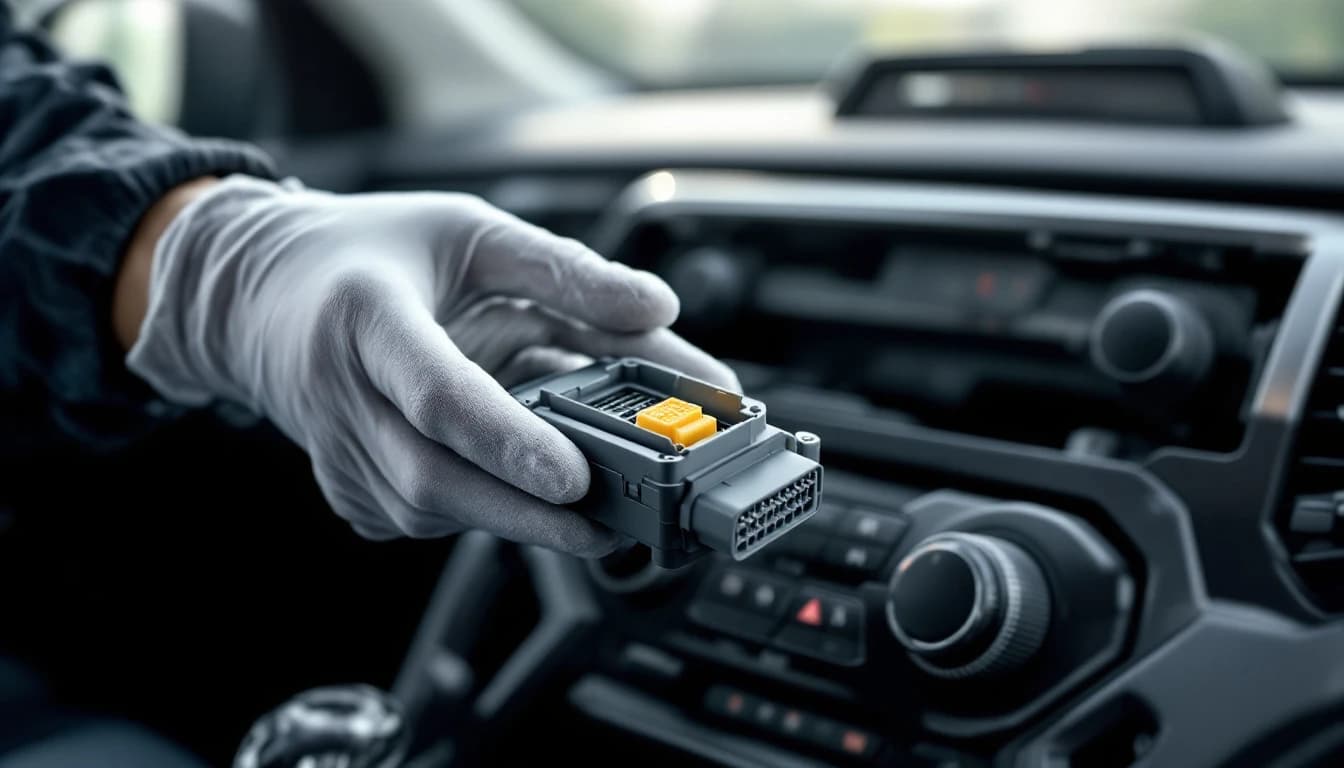
When an airbag control module fires a restraint, it records the event and sets a hard code — a fault that cannot be cleared with a scan tool. The module then takes itself out of service. From that moment the SRS light is on and the system is offline, and it stays that way after every airbag in the car has been replaced, because the module still believes it is in a crashed vehicle.
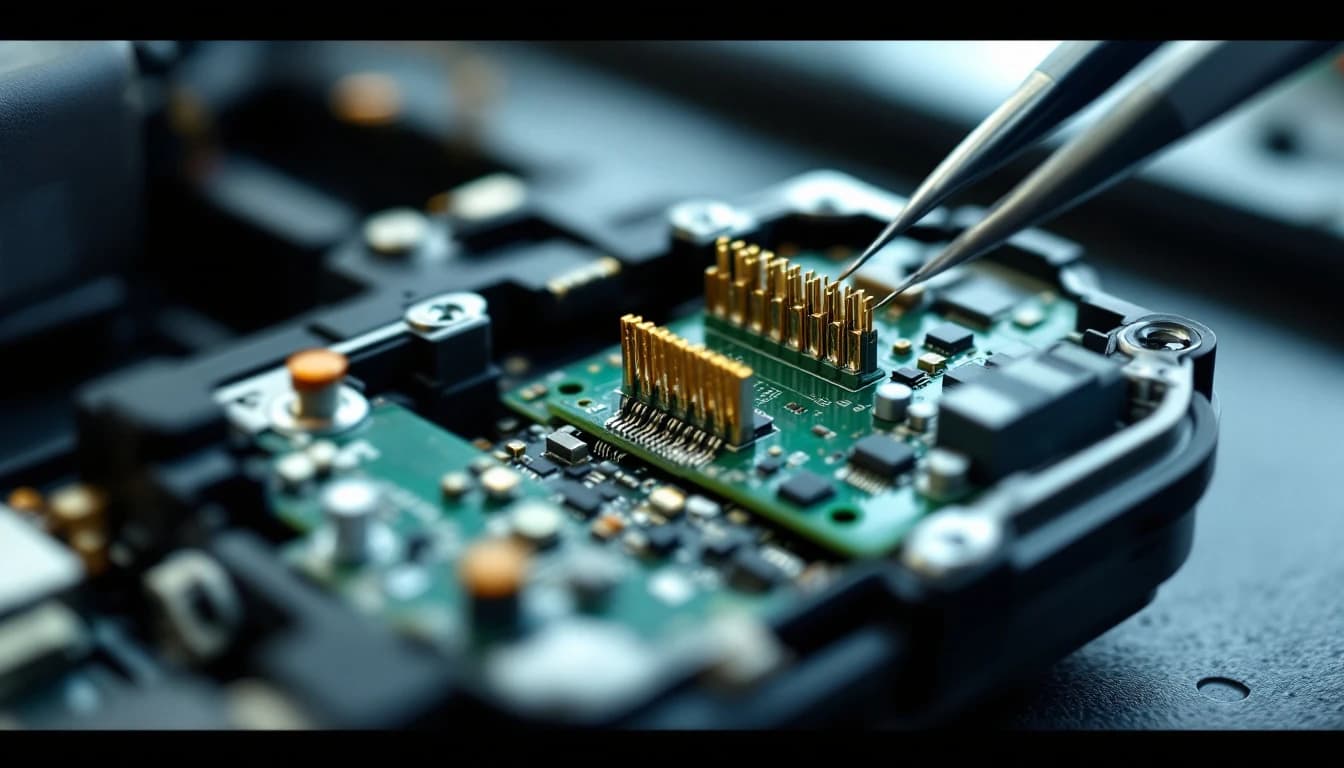
A crash-data reset erases that record and returns the module to the state it left the factory in. That is all it does. It is a data operation on a healthy part, and it is legitimate, routine and considerably cheaper than a new module.
What it cannot do is make a damaged restraint system whole. If an airbag is deployed, a pretensioner is spent, a clockspring is broken or an impact sensor is cracked, the cleared module will run its self-test at the next key-on, find the open circuit, and put the light straight back on. On a well-designed system that is exactly what should happen.
The mechanics of what is stored, where, and which platforms allow it to be cleared are covered in depth in SRS crash data: when an airbag module can be reset and when it cannot. This page stays on the money.
The costs that sit beside the module
Because the module is never the whole bill, a realistic budget for a deployed car has more lines than the table above. We do not supply or price the restraint parts themselves — that is body-shop and parts-counter work — but any honest estimate you are handed should account for each of these:
- Every airbag that deployed. Driver, passenger, side, curtain, knee. Each is a separate part.
- Seat-belt pretensioners. These fire with the airbags on most platforms and are single-use. A belt that has fired often will not retract, but some look entirely normal.
- The clockspring. The rotating connector behind the steering wheel is frequently damaged by a driver-airbag deployment.
- Impact sensors. Front and side sensors in the crush zone are often physically damaged by the collision they detected.
- Wiring and connectors. Squib connectors and harness sections near the deployment can be heat-damaged.
- Occupant classification. The passenger-seat sensing system may need recalibration or replacement.
- Trim. Dash panels, headliners, seat covers and pillar trims that the airbags came through.
If a quote for "airbag repair" on a car with visible deployment has one line on it, that line is not the repair.
What changes the price
Seven variables decide which row of the table your car lands on and where inside it.
- Whether the module's memory can be cleared at all. Some modules hold their crash record in memory that can be read and rewritten directly. Others store it in protected or one-time regions. The first group is a reset; the second is a replacement, and no amount of persuasion changes which group a given module is in.
- The physical condition of the module. A module that took a direct hit, got wet, or had a driver circuit burned out by the deployment needs repair or replacement before any data work is worth doing.
- Model year. Older and mid-age platforms are more often clearable. The newest platforms are increasingly replacement-and-programming only.
- Where the module lives. Under the centre console is typical. On some vehicles that is twenty minutes of trim; on others it is most of the interior. Access labour is quoted by vehicle because it varies that much.
- Whether programming is required after fitting. This is the difference between the two replacement rows, and on modern cars it is nearly always required.
- Who is paying. An insurance-funded collision repair usually follows the carrier's guidelines, which commonly specify a new module. A reset belongs mostly to owner-paid repairs and older vehicles.
- European and luxury platforms. These are quoted by VIN rather than from the table, because the module family and the model year decide whether an independent reset path exists at all.
The single most useful thing you can do before calling anyone is to have the airbag fault codes read. A $50–$100 scan tells you whether you are looking at a stored crash event, an open circuit from an unreplaced part, or an unrelated SRS fault that has nothing to do with a collision — and those are three different jobs.
SRS light on with no accident
A good share of the calls we take about airbag modules involve a car that has never been in a collision. The light is on, an online search has suggested a "module reset," and the owner wants a price.
In those cases the module is usually doing its job. The common causes are a seat-belt buckle switch, a connector under a seat that was disturbed when the seat was moved or the carpet was cleaned, a clockspring that has worn through, a passenger-seat occupancy sensor, or low system voltage after a battery problem. None of those is fixed by clearing crash data, because there is no crash data. They are fixed by finding the open circuit.
This is also where the diagnostic scan pays for itself. A code that names a specific circuit — a driver-side pretensioner resistance fault, a passenger occupancy sensor fault — points at a part. A stored crash event points at the module. Reading the code first is the difference between a targeted repair and paying for a reset that changes nothing.
If the light came on together with other electrical oddities after battery or module work, the cause is often upstream of the airbag system entirely. Our guide to body control module symptoms misdiagnosed as other faults covers that pattern.
Reset versus replacement: how the decision is made
The order is always the same, and a shop that reverses it is selling a number rather than a service.
First, diagnose. Read the fault memory. Establish whether a crash event is stored and which circuits are reporting faults.
Second, repair the physical system. Replace what deployed and what was damaged. This is the body shop's work or the owner's, not ours.
Third, decide what the module needs. If it is healthy and its memory is clearable, reset it. If it is damaged or its platform does not allow a reset, replace and program it.
Fourth, verify. Reinstall, key on, and confirm the light runs its bulb check and goes out with no stored faults. A cleared module in a fully repaired car self-tests clean. If it does not, something physical was missed, and the fault code says what.
A reset quoted before step one is not a price for your car. It is a price for the cheapest possible outcome, offered before anyone knows whether your car qualifies for it.
Why a locksmith shop does airbag modules
It is a fair question, and the answer is that the skill is the same one.
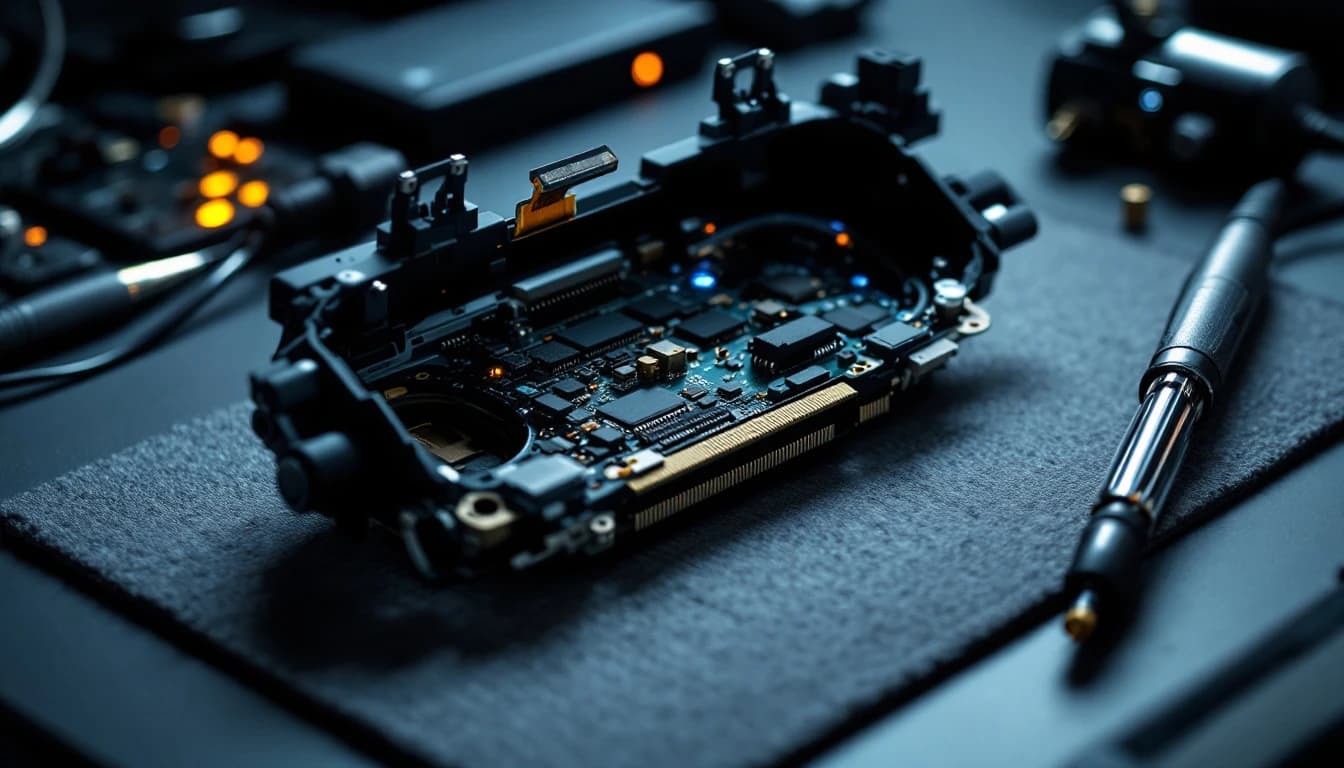
Modern automotive locksmithing is mostly electronics. Reading and writing the memory of an immobilizer module, an engine computer or a body controller uses the same bench equipment, the same soldering discipline and the same understanding of how a manufacturer protects its data as clearing a crash record does. A shop that can recover a key from a locked security module is already doing the harder version of this job.
It also means the airbag module sits on the same price sheet as the rest of the car's computers. For the wider menu, see ECM, BCM and TCM computer programming, the price sheet for BCM programming and repair, and the related work on ABS module replacement and ABS module reset and diagnosis — ABS and SRS faults frequently arrive together after a front-end collision because the sensors share the crush zone.
What we do not do is restraint repair. We will not fit airbags, and we will not clear a module for a car whose restraint system has not been repaired. The reset is the last step, and it is only worth doing when it is the last step.
Body shop, dealer, mail-in or mobile
There are four realistic ways to get this done in DFW, and each suits a different situation.
Through the body shop. If the car is in for collision repair, the shop will normally handle the module as part of the job, usually by fitting a new one. This is the simplest route and the one insurance work follows.
At the dealer. New module, programmed in-house. The highest part price and the most straightforward paperwork. It is the right route for a vehicle under warranty, for an insurance repair that specifies new parts, and for the newest platforms where no independent path exists.
Mail-in reset services. The module is removed, shipped, cleared and returned. The data work is the same as a local bench reset. The trade-off is that the car is immobile while the module is in the post, and nobody who touches the module sees the car.
Local bench or mobile. The module is cleared at our Arlington bench or at the vehicle, usually the same day, and the person doing the work can read the car's fault memory afterwards. This suits owner-paid repairs and body shops that want the module back today rather than next week.
Whichever route you take, ask one question before paying: will the system be scanned after the module goes back in? A reset that is not followed by a clean self-test has not been verified.
What to have ready when you call
Five details get you a firm answer on the first call:
- Year, make and model, and the VIN if you have it.
- What deployed — which airbags, and whether the seat belts locked.
- What has already been replaced, and by whom.
- The fault codes, if anyone has read them.
- Whether insurance is involved. It changes which route makes sense.
With those, we can tell you whether your module is a reset candidate, a replacement, or a car that needs restraint work first. For help comparing providers on any module job, our guide to finding module programming services near you sets out the questions worth asking.
Frequently Asked Questions
How much does it cost to reset an airbag module in DFW?
As of October 2026, a crash-data reset runs $120–$250 as a bench job with the module out of the car, or $200–$300 as a mobile visit. That covers the data operation only. It does not include removing a deeply buried module, and it does not include any airbag, pretensioner or sensor that deployed.
How much does it cost to replace an airbag control module?
Replacement with programming typically runs $350–$750. Where a platform accepts a replacement without configuration, $200–$450. A new module bought at a dealer parts counter is typically $400–$1,200 before fitting and programming. European and luxury vehicles are quoted by VIN.
Is a reset as good as a new module?
On a healthy module whose memory can be cleared, yes — the reset returns it to its factory state and it supervises the system exactly as before. On a module that was physically damaged, or on a platform that stores crash data in protected memory, a reset is not an option and replacement is the correct repair.
Will resetting the module turn the airbag light off?
Only if everything else in the restraint system has been repaired. The module self-tests every circuit at key-on. If an airbag, pretensioner, clockspring or sensor is still open, the light returns immediately — which is the system working as designed.
My airbag light is on but I have not had an accident. Do I need a reset?
Almost certainly not. With no collision there is no crash record to clear. The usual causes are a seat-belt buckle switch, an under-seat connector, a worn clockspring, an occupancy sensor or low voltage. A $50–$100 diagnostic scan identifies the circuit.
Does insurance pay for a module reset?
Insurance-funded collision repairs generally follow the carrier's guidelines, which usually call for a new module rather than a reset. A reset is most often an owner-paid repair. Ask your adjuster or body shop what the claim specifies before arranging anything separately.
Can you clear the module without replacing the airbags?
No. Clearing a module on a car with unreplaced restraints turns a visible fault into a hidden one and leaves the occupants unprotected. We only reset modules for vehicles whose restraint system has been repaired.
How long does it take?
The data work itself is short — typically under an hour once the module is on the bench. Most of the elapsed time on any job is removal and refitting, which varies widely by vehicle.
Have the codes read, then call
Not Your Basic Locksmith is an owner-operated automotive locksmith and module programming shop at 1168 W Pioneer Parkway in Arlington, working across Dallas–Fort Worth since 2012 and licensed by the Texas Department of Public Safety Private Security Program, licence #B28531501.
Call or text (682) 344-1957 with your year, make, model and the fault codes if you have them. You will be told plainly whether your module can be reset, whether it needs replacing, or whether the car needs restraint work before either is worth paying for.