Your European Key Works Only Sometimes: What It Usually Means
If your key starts the car on some attempts and not others, the cause is usually one of four things: a worn key (case, blade or internal contacts), a weak fob battery, a worn key slot or ignition lock that no longer seats the key properly, or an ignition module that is failing to read a healthy key. A driveway test with your second key separates the first group from the second in about five minutes. As of November 2026, the cheapest diagnosis in Dallas-Fort Worth is a $90–$150 diagnostic read of the key and module chain, usually credited if you book the repair.
An intermittent key is the most frustrating kind of fault because the car works often enough to make you doubt yourself. This guide is for BMW, Mercedes-Benz, Audi, Volkswagen and Porsche owners whose key has become unreliable but not yet dead. It walks through what is actually happening, five tests you can do at home, what each cause costs, and the point at which you should stop experimenting.
As of November 2026. Costs are planning ranges for the Dallas-Fort Worth service area, not quotes.
What "works only sometimes" looks like
The symptom takes several forms. Which one you have is already a clue.
- The key starts the car on the second or third try, or after wiggling it in the slot.
- The car says "key not recognised" or shows a key warning, then clears it on the next attempt.
- The car starts when cold but not after a short stop, or the other way round.
- The doors unlock from the fob but the start system ignores the key. That is a different problem, covered in our European car fob unlocks doors but will not start guide.
- The dash lights up normally and the engine will not crank. If the engine cranks and does not fire, read our European car cranks but will not start guide instead.
- The key works for a week, then fails for a day.
The common thread is that the system works when the conditions are right and fails when they are marginal. That points to a marginal component, not a failed one. The question is which component is marginal.
The four causes, from cheapest to most expensive
1. A worn key
European keys have a hard life. The case cracks, the blade wears, the internal contacts oxidise and the transponder chip can come loose inside its housing after a drop. A key with a chipped case or a rattle can lose its connection to the ignition antenna in certain positions. The giveaway is that the problem follows the key: a different key works every time.
2. A weak fob battery
On proximity and flip-key fobs the coin cell is a few dollars. A weak battery can leave the fob able to unlock the doors, which needs little power, while failing the start authentication, which needs more. The giveaway is that a fresh battery fixes it, and that the problem is worse in cold weather or after the fob has been in a pocket with other devices.
3. A worn key slot or ignition lock
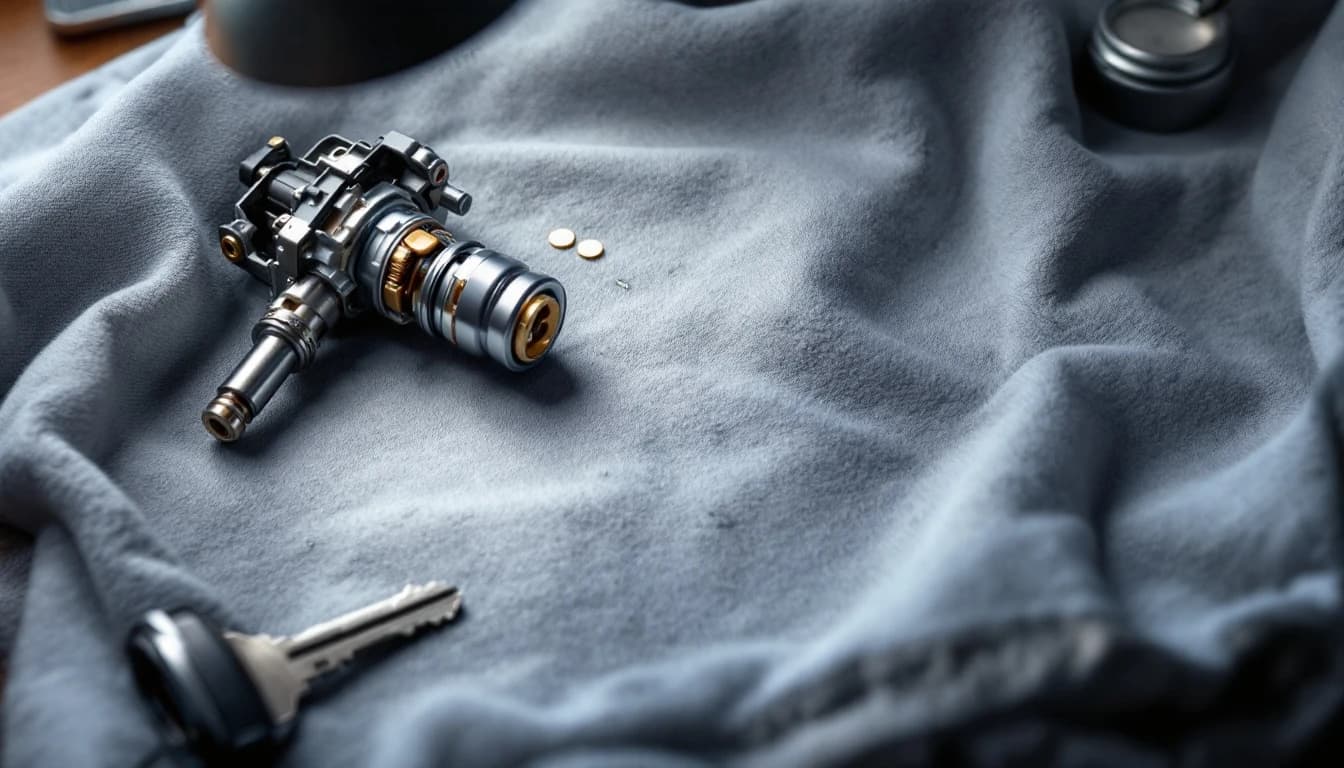
On slot-key cars such as Mercedes FBS3, the key goes into a slot in the ignition module and both wear. A worn slot may not seat the key, and the car sees the key only when you hold it at the right angle. On older cars with a mechanical ignition lock cylinder, wear in the lock has a similar effect. The giveaway is that the problem depends on how the key sits and that two different keys behave the same way.
4. A failing ignition or security module
If both keys behave the same way and the slot seems healthy, the module that reads the key may be failing. Data faults in the Mercedes EIS, a failing BMW CAS and a tired ignition antenna all look like "the key works sometimes". The giveaway is that every key is affected, often together with other electrical oddities: flickering lights, intermittent windows, a dash that wakes slowly. Our European ignition problem is a module guide explains the pattern.
Five tests you can do in the driveway
These cost nothing and take about five minutes. Do them in order and write down what you see.
Test 1: Try the second key
This is the single most useful test. If the second key works every time and the first one is flaky, the first key is the problem. If both are flaky, the fault is in the car. If you have only one key, skip to test 2 and read the note on spare keys at the end.
Test 2: Replace the fob battery
If the key has a coin cell, replace it with a fresh one of the correct type. This is a few dollars of hardware and eliminates a common cause. If the problem disappears, you are done.
Test 3: Inspect the key
Look at the key in daylight. A cracked case, a loose back cover, a rattle when you shake it, worn chrome on the blade or visible oxidation on the contacts are all signs that the key is on its way out. A key in that state should be replaced while it still works.
Test 4: Watch how the key seats
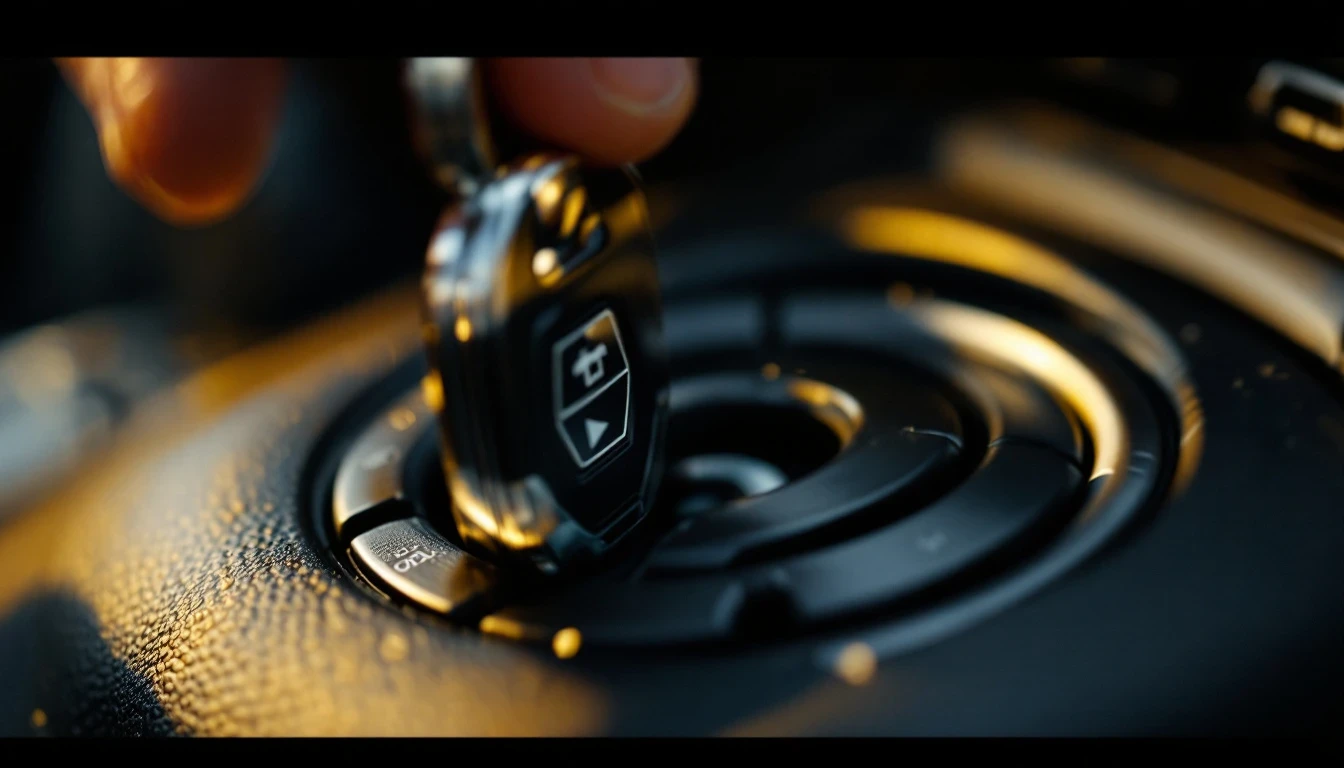
On a slot-key car, insert the key slowly and note whether it seats with a clean click. If the car recognises the key only when you hold it up, down or sideways, the slot is worn. Do not force it.
Test 5: Note what else is happening
Intermittent electrical behaviour elsewhere in the car is the most important sign of a module problem. Write down any flickering lights, slow windows, warning messages or a dash that takes longer than usual to wake. If any of them appear, the fault is likely in the car, not the key.
What each result means
| What you found | Most likely cause | Next step |
|---|---|---|
| Second key works every time, first key flaky | Worn key | Replace the first key while it still works |
| Fresh battery fixes it | Weak fob battery | Done; replace the battery every couple of years |
| Both keys flaky, key seats badly in the slot | Worn slot or ignition lock | Diagnostic read, then repair |
| Both keys flaky, other electrical oddities | Failing module | Diagnostic read before spending on keys |
| Both keys flaky, nothing else wrong | Antenna or module data | Diagnostic read |
| Only one key, behaviour inconsistent | Cannot tell | Diagnostic read; then make a spare |
What it costs in DFW
These are the bands published on our cost pages, as of November 2026. Mobile figures are for service at the car.
| Cause and job | Mobile specialist (DFW) | Typical dealer quote | Notes |
|---|---|---|---|
| Diagnostic read, key and module chain | $90–$150 | $185–$295 | Always first; usually credited toward the repair |
| Fob battery | A few dollars of hardware | Varies | Eliminate this first |
| Reprogram a BMW fob you already own (car still starts) | $150–$300 | $300–$500 | Radio side only, not a new key |
| Mercedes fob no longer recognised, car still starts | $200–$450 | $400–$800 | The transponder is intact |
| Mercedes EIS data repair | $300–$500 | $800–$1,400 | Intermittent no-start, "Start Error" message |
| Spare key, older BMW (CAS generation) | $150–$300 | $600–$1,200 | Cheapest European spare |
| Spare key, Mercedes FBS3 | $300–$600 | $700–$1,400 | Slot key written to the module |
| Spare key, Audi or Volkswagen | $200–$450 | $800–$1,500 | Component protection on newer Audi |
| Ignition module replacement plus key re-pairing | $1,200–$1,800 | $2,500–$4,000 plus tow | Rare; water or fire damage |
| Porsche, BMW F/G and BDC2 ignition faults | Quoted per VIN | Varies | No published band; the VIN decides |
The trap: buying a key to fix a module problem
The most expensive version of this symptom is the one where a new key is bought and programmed and the car still starts only sometimes. That happens when the module is the marginal component. A new key works fine, but the module still struggles to read it, and the fault is back within days.
The way to avoid it is the diagnostic read. It checks the key's transponder signal, the antenna's response and the module's stored faults, and it tells you whether the key, the antenna or the module is the weak link before any money goes to a key. Our intermittent no-start diagnosis guide covers the wider no-start picture.
When to stop experimenting and call
Call a specialist if any of these is true.
- You have only one key and it is behaving inconsistently. A flaky single key is a single point of failure, and once it fails the job moves into the more expensive all-keys-lost category.
- Both keys behave the same way and the fresh battery did not help.
- Other electrical behaviour is off, such as flickering lights or warning messages.
- The steering wheel is locked or the car has started to show steering-lock messages. Our Mercedes steering lock repair cost guide explains that route.
- The key slot feels loose or gritty.
- The car fails to start at an inconvenient moment, which is the strongest argument for acting before it happens.
Do not jump-start, disconnect the battery or try to reset modules to see whether the problem goes away. On European cars that can disturb module pairing and turn a nuisance into a no-start. Our European no-start after a battery change page explains why.
If you have only one key
An intermittent key on a car with one key is the moment to make a spare, but only after the diagnostic read confirms the car is healthy. A spare written into a failing module is money wasted. A spare written into a healthy module, made while the original still works, is the cheapest key you will ever own. Our used European car with one key guide explains the economics.
Local detail
Not Your Basic Locksmith is licensed through the Texas Department of Public Safety Private Security Program and has specialised in European key and module work since 2012, from an Arlington shop and mobile across Dallas-Fort Worth. We read the key and the module chain at the car, so you find out which component is marginal before anyone sells you a part.
Frequently Asked Questions
Why does my European car key work only sometimes?
The usual causes are a worn key, a weak fob battery, a worn key slot or ignition lock, or an ignition module that is failing to read a healthy key. Trying the second key and replacing the fob battery separate the first two from the others.
How can I tell a worn key from a failing ignition?
If a second key works every time and the first one does not, the first key is worn. If both keys behave the same way, the fault is in the car: the slot, the antenna or the module.
How much does it cost to diagnose an intermittent key problem in DFW?
As of November 2026, a diagnostic read of the key and module chain typically costs $90–$150 from a mobile specialist, against $185–$295 at a dealer. It is usually credited toward the repair if you book it.
Should I replace my key if it works only sometimes?
If the second key works and the first is visibly worn, yes, and do it while the key still works. If both keys are flaky, a new key will not fix the problem.
Can a weak fob battery cause an intermittent start problem?
Yes. A weak battery can still unlock the doors while failing the start authentication, especially in cold weather. A fresh battery is a few dollars and should be the first test.
Is an intermittent key a sign that the module is failing?
Sometimes. If both keys are affected and other electrical behaviour is odd, the module is a strong suspect. A diagnostic read confirms it.
Will a spare key fix a car that starts only sometimes?
Not by itself. A spare helps if the original key is the weak link. If the module is failing, a spare does not solve the problem and can be wasted money.
What if I only have one key?
Get a diagnostic read, and if the car is healthy, make a spare while the original still works. If the single key fails first, the job becomes an all-keys-lost job and costs more.
Find out which part is marginal
Call (682) 344-1957 with your year, make and model, and describe when the key fails. You will hear what the likely cause is and what the diagnostic read involves before anyone is dispatched.