European Module Programming Cost in DFW
As of September 2026, module programming and repair on a European car in Dallas–Fort Worth runs roughly $250–$500 for a bench-level repair or a coding job with existing keys, $500–$900 for a module replacement that has to be coded and paired, and $650–$1,400 for engine-controller work on Audi, Volkswagen and BMW. Dealer quotes for the same jobs generally run $600–$2,500 plus a $150–$300 tow when the car cannot be driven in.
Those bands are wide because "module programming" is not one job. It is at least four, they price differently, and the difference between them is worth several hundred dollars. This page separates them, then prices each one by brand from work we actually perform in this metro.
If what you are trying to do first is simply find a shop that does this, our guide to BCM programming near me and how to vet a module shop is the better starting point. This page assumes you have already decided and want the number.
The four jobs people call "module programming"
The word covers a spectrum, and the spectrum is the price.
Coding and adaptation. The module is physically fine. It needs configuration data written to it so it knows what car it is in — which options, which market, which key table. This is the cheapest end and the fastest.
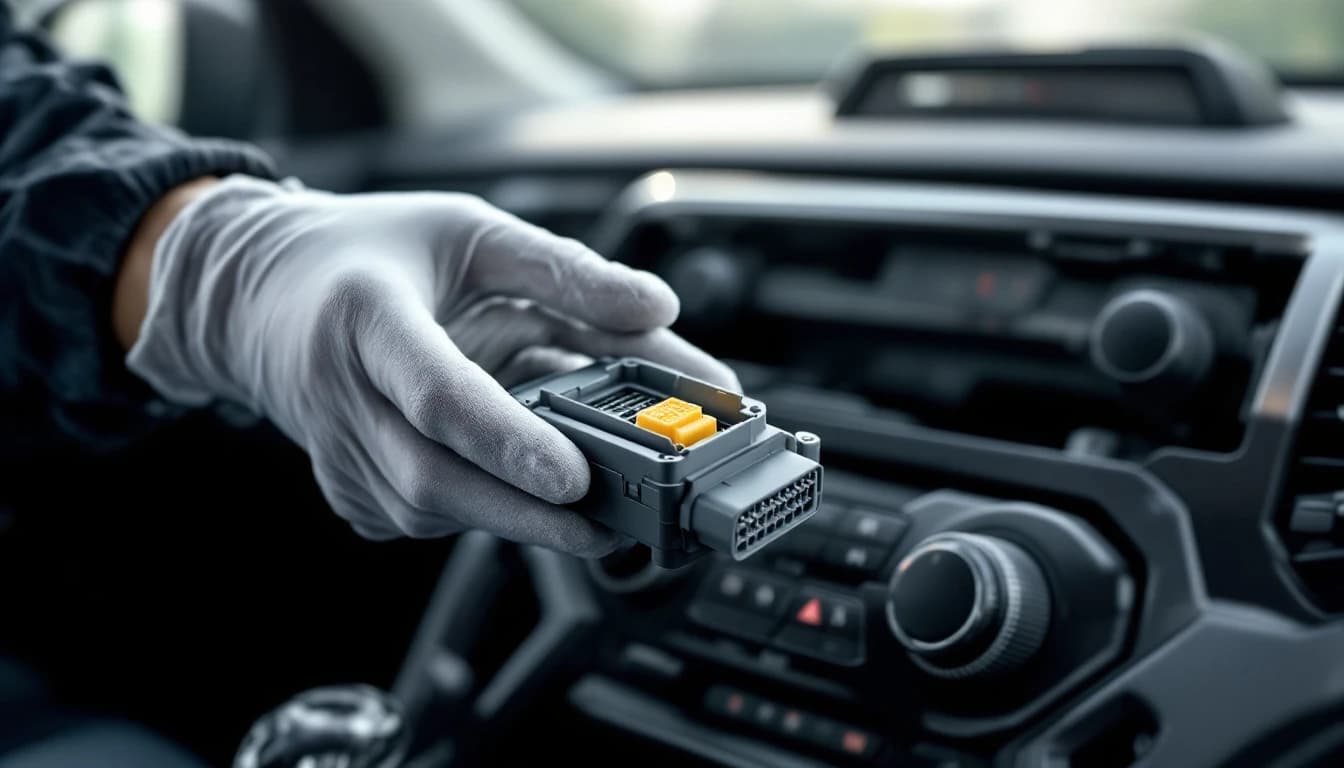
Programming and pairing. A replacement module has to be married to the vehicle's security chain: paired with the immobilizer, matched to the VIN, and taught the existing keys. This is the middle band, and it is where most module jobs land.
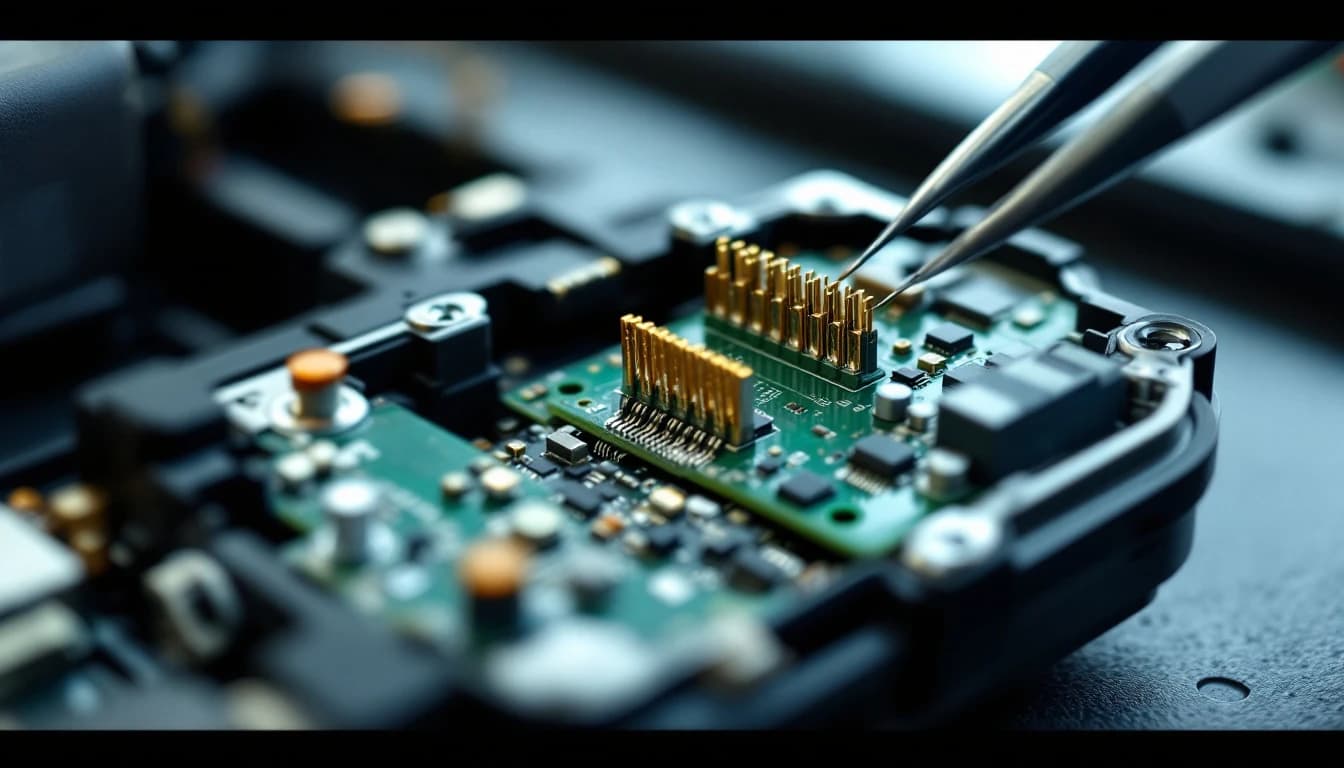
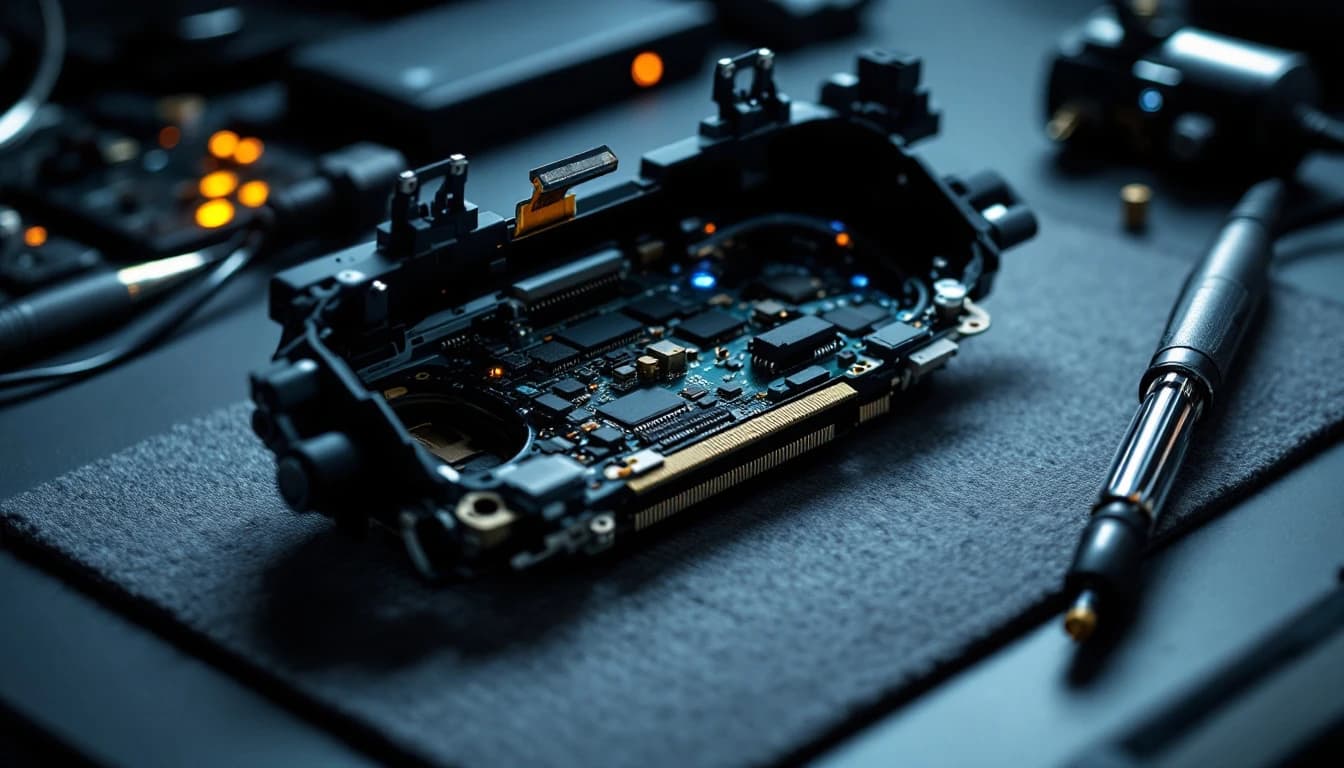
Bench repair. The module has a physical fault — a failed driver, a corrupted memory chip, a cracked solder joint from years of heat cycling. The module comes out, gets repaired at component level, and goes back in. Frequently cheaper than replacement and always cheaper than the dealer's part.
Cloning or data transfer. A donor module receives the original's data so the vehicle sees the same module it always had. On some platforms this is the only path that avoids a dealer-only security step.
Our explainer on flash, clone, code and adapt walks the technical difference. The reason it matters on the phone is that a quote for "programming" that does not say which of the four it is, is not a quote.
The 2026 DFW price table for European module work
Ranges reflect mobile pricing in the DFW service area as of August 2026, sourced from the per-module breakdowns we publish for each platform. Final pricing depends on chassis, model year and whether keys survive — these are planning numbers, not quotes.
| European module job | Mobile (DFW) | Dealer (DFW) | Notes |
|---|---|---|---|
| BMW FRM bench repair (footwell module) | $250–$450 | n/a — dealer replaces the module | The most common BMW module job in this metro |
| BMW FRM replacement + coding | $500–$800 | $700–$1,200 + tow | Only when the board is genuinely unrepairable |
| BMW DME/ECU replacement + ISN pairing | $700–$1,200 | $1,300–$2,300 + tow | MSV/MSD-generation dependent |
| Mercedes ESL motor swap + EIS re-personalisation | $400–$700 | $1,500–$2,500 + tow | The classic W204 steering-lock failure |
| Mercedes EIS data repair (W211/W212/W213) | $300–$500 | $800–$1,400 | Intermittent no-start, "Start Error" message |
| Mercedes EIS module replacement + key re-pairing | $1,200–$1,800 | $2,500–$4,000 + tow | Rare; usually water or fire damage |
| Range Rover BCM coding, existing fobs (L405/L494) | $300–$500 | $600–$1,100 | Coding after a module swap |
| Range Rover BCM coding (L460) | $400–$600 | $750–$1,300 | Newer architecture, longer procedure |
| Land Rover full immobilizer rebuild (BCM + ECU pairing) | $500–$900 | $1,200–$2,000 + tow | When the security chain is broken end to end |
| Audi MED17 ECU replacement + component-protection coding | $650–$1,100 | $1,300–$2,100 + tow | Sub-variant of MED17 sets the band |
| Audi/VW component-protection coding only | $350–$550 | n/a — dealer handles in-house | After a dealer-supplied module |
| ECU reflash / firmware update | $300–$500 | $585–$895 | No hardware change |
| Diagnostic read only | $90–$150 | $185–$295 | Usually waived if you book the repair |
What moves each number
Whether the module can be repaired instead of replaced
This is the biggest lever on European module work and it is the opposite of the key world, where parts dominate. A BMW footwell module that has failed in the usual way is a $250–$450 bench repair. The same fault treated as a parts problem is a module, a coding session, and a dealer invoice. Our BMW FRM repair guide documents which failure modes are repairable and which are not.
Whether the keys survived
A coding job with working keys in hand is materially cheaper than the same job with no key, because the second one is a module job and a key job. On the Land Rover side, that is the difference between the $300–$500 coding row and the $500–$800 coding-plus-key row.
Which sub-variant of the module you have
Audi's MED17 family is the clearest example: the same nominal ECU spans legacy chassis units at $650–$850 and current RS-model units at $1,000–$1,400, and the only way to know which you have is to read it. Our Audi MED17 ECU programming breakdown lists the variants. BMW's DME generations behave the same way, mapped in the BMW DME programming guide.
Whether component protection or a gateway is in play
Audi and Volkswagen use component protection to tie certain modules to a VIN; a module installed without it will fault. From roughly 2018, many European platforms also route diagnostics through a security gateway. Where an independent access path exists the job proceeds normally; where it does not, the dealer is the only route — see security gateway module key programming.
Whether a used module is on the table
A used module priced to the VIN is a legitimate cost saving on some platforms and a dead end on others, depending on whether the original data can be transferred. Our used ECU and PCM programming guide covers when it works, and what happens when a car will not start after an ECU swap covers what it looks like when it does not.
Brand notes that change the quote
BMW. The FRM is the highest-volume European module job in DFW and it is the one where bench repair beats replacement most decisively. Beyond that, DME work is priced by generation, and CAS or FEM security values become part of the conversation the moment keys are involved.
Mercedes-Benz. The dominant failure is the electronic steering lock on W204-era cars, where the column will not release and the symptom looks exactly like a key fault. Motor-level repair with EIS re-personalisation runs $400–$700 against a dealer's $1,500–$2,500. The full picture, including which failure belongs to which chassis, is in our Mercedes ESL and EIS repair guide and the Mercedes ELV steering lock walkthrough.
Land Rover and Jaguar. Nearly every module job on these vehicles ends in a coding step, because the body control module or keyless vehicle module owns the key table and the immobilizer relationship. See the Range Rover BCM coding guide and, for the Jaguar-specific "smart key not found" fault, the Jaguar BCM repair walkthrough. Where the job turns out to be a key with coding attached rather than a module, Land Rover and Jaguar key replacement cost prices that side.
Body modules across every make. The four body-module jobs — initialization, flash, replacement programming and key registration — are priced individually, European and domestic side by side, in BCM programming and repair cost. It is the page to read before authorising any body module part.
Audi and Volkswagen. Component protection is the whole story. A correctly coded module is invisible; an uncoded one throws a fault the owner then pays twice to resolve.
When the module is not the problem
The most expensive module job is the one that did not need doing. Before authorising module work, it is worth ruling out the cheap explanations, and a competent shop will do this first.
A weak or dying vehicle battery produces module faults on European cars that vanish when the battery is replaced — this is genuinely common and genuinely misdiagnosed. Corroded connectors, particularly on older Mercedes chassis exposed to Texas summers, produce intermittent faults that read as module failure and repair for $200–$400. And a surprising share of "BCM failure" calls are key or antenna problems wearing a module's clothes, which is why we wrote up BCM symptoms that get misdiagnosed as key problems.
The other direction happens too: a car sold a new key when what it needed was module work. If your car will not start and the dash is showing a security or immobilizer indicator, start at the immobilizer security light by make guide rather than buying a key.
A diagnostic read takes well under half an hour and settles it. At $90–$150 mobile — usually credited against the repair — it is the cheapest line on this page and the one that most often saves the largest number.
What the invoice is actually made of
Module quotes feel opaque because shops quote a single number for a job with four separate cost drivers. Broken out, it stops being mysterious.
The part, when there is one. A bench repair has no part cost beyond components worth a few dollars, which is why the FRM row on the table above is the cheapest line on the page despite being skilled work. A replacement module — new, refurbished or used — is the largest single input the moment it enters the job, and on Audi engine controllers it can exceed the labour.
Access labour. Some modules sit behind a kick panel and take ten minutes to reach. Others live under a dash cross-member. The programming time is often identical; the getting-there is not, and it is a real difference of an hour or more on some chassis.
The programming session itself. Coding runs 30–90 minutes, replacement with pairing 60–120 minutes, engine-controller work 75–135 minutes. That is a genuine constraint rather than a padded estimate — several of these procedures cannot be interrupted once started, which is also why a stable power supply on the vehicle is part of the job.
Data acquisition, when the platform demands it. Where the security value cannot be read through the diagnostic port, it comes off the module directly. That is the step that separates a routine job from a specialist one, and it is the single biggest reason quotes for nominally identical work vary by hundreds of dollars between shops.
Three ways owners overpay on module work
Replacing a repairable module. The BMW footwell module is the standing example in this metro. Treated as a parts problem it is a module plus coding; treated as a board-level fault it is a bench repair at a fraction of the cost.
Buying a module before the diagnosis. A used or refurbished module bought online, then found to be the wrong sub-variant or unwritable on your platform, is money that does not come back. Read the car first, buy second.
Paying twice because the coding was skipped. A module installed without coding or without component protection on an Audi or Volkswagen will fault, and the second visit costs more than doing it correctly once. If a quote does not name the coding step, it is not a complete quote.
Mobile versus dealer on module work
The economics differ from key work in one important way: on modules, the mobile advantage is often about method rather than location.
Dealers are structurally organised around module replacement. Their diagnostic tree ends at a part number, their technicians are paid to install parts, and their warranty obligations discourage component-level repair. An independent specialist with bench capability can repair boards the dealer will only replace, which is where the FRM row's n/a comes from.
Where the dealer is genuinely correct: warranty-covered work, an open recall or technical service bulletin covering the fault, or a platform whose gateway has no independent path. Our breakdown of which car modules need the dealer and which do not draws that line module by module, and ECM, BCM and TCM computer programming in Arlington covers the non-European side of the same question.
What to have ready when you call
Your VIN, your model year, and the exact fault or dash message. If a shop has already scanned the car, the fault codes. Whether you still have working keys. Whether the car currently starts and drives, because that decides mobile versus in-shop and whether a tow enters the picture at all.
Locksmith companies operating in Texas are regulated by the Texas Department of Public Safety Private Security Program under Occupations Code Chapter 1702 — not by TDLR, which handles other trades entirely. Not Your Basic Locksmith operates under Texas DPS certificate #B28531501.
Frequently Asked Questions
How much does module programming cost in Dallas-Fort Worth?
As of August 2026, roughly $250–$500 for bench repair or coding with existing keys, $500–$900 for a module replacement that must be coded and paired, and $650–$1,400 for engine-controller work on Audi, Volkswagen and BMW. Dealer quotes for the same work generally run $600–$2,500 plus a tow.
Is BCM programming cheaper than replacing the module?
Almost always. Coding an existing or refurbished module runs $300–$600 on a Range Rover, where a dealer-supplied replacement plus coding runs $600–$1,300. On BMW footwell modules the gap is larger still, because bench repair at $250–$450 has no dealer equivalent — the dealer path is replacement.
Can module programming be done at my house?
Most of it, yes. Coding, adaptation, pairing and key-table work are performed at the vehicle with a laptop and the correct interface. Bench-level repairs require the module to come out; on many platforms that still happens on site, and on some it means the module travels to the workshop and returns.
Why does the same module cost twice as much on a newer car?
Sub-variant and access path. Audi's MED17 family spans legacy chassis units and current RS-model units that differ by hundreds of dollars, and from roughly 2018 many European platforms sit behind a security gateway that adds steps or removes the independent path entirely.
My European car has a module fault. Could it just be the battery?
Yes, and it is worth ruling out first. A weak or failing vehicle battery produces module and communication faults on European cars that disappear entirely when the battery is replaced. Any shop that quotes module replacement before checking charging-system health is skipping the cheapest possible answer.
Do I need the dealer for my model year?
Only in three situations: the work is covered by factory warranty, the fault falls under an open recall or technical service bulletin, or your platform's gateway has no independent access path. Outside those, an equipped independent performs the identical work, and on bench-repairable faults performs work the dealer does not offer.
What is the difference between coding and programming?
Coding writes configuration data to a module so it matches your specific vehicle. Programming, in the sense most shops use it, pairs a replacement module to the vehicle's security chain and VIN. Cloning copies the original module's data onto a donor so the car sees the module it always had. They price differently, so ask which one you are being quoted.
How long does a module job take on site?
A coding or adaptation job typically runs 30–90 minutes. A replacement with pairing generally runs 60–120 minutes. Engine-controller work on Audi and BMW usually runs 75–135 minutes. Bench-level board repair is the outlier and depends on the fault.
Get the module diagnosed before you buy one
Not Your Basic Locksmith has specialised in European automotive electronics — BMW FRM, CAS and FEM, Mercedes EIS, EZS and ESL, Audi component protection, Land Rover and Jaguar body and keyless modules — since 2012, with EEPROM-level and component-level bench capability. Service across the DFW metroplex from Arlington, at your vehicle.
Call or text (682) 344-1957 with your VIN, model year and fault codes for a firm quote before anyone is dispatched. Owner-operated ALOA Master Automotive Locksmith, 1168 W Pioneer Parkway, Arlington. Texas DPS licence #B28531501.