A Failed Key Programming Attempt on a European Car
As of August 2026, recovering a European vehicle from a botched key or module write in Dallas–Fort Worth generally runs $300–$500 when the module is healthy and only its data is wrong, $700–$1,200 when a donor module has to receive the original's data, and $1,200–$1,800 when the module is genuinely unrecoverable and has to be replaced with the keys re-paired. Dealer quotes for the same recoveries commonly run $2,500–$4,000 plus a $150–$300 tow, because the car cannot be driven in.
The cars that arrive in this category all share one sentence: it ran before somebody tried to add a key. This page explains what actually happened inside the vehicle, which outcomes are recoverable, and what separates a bad afternoon from a bad month.
What a write actually is
Programming a key is not configuration in the way people picture it. On a European platform the technician is authenticating into a security module, reading a protected data block, modifying the key table inside it, and writing that block back. For a few seconds, the vehicle's identity lives in a tool rather than in the car.
Almost everything that goes wrong goes wrong in those few seconds, and the causes are boringly consistent:
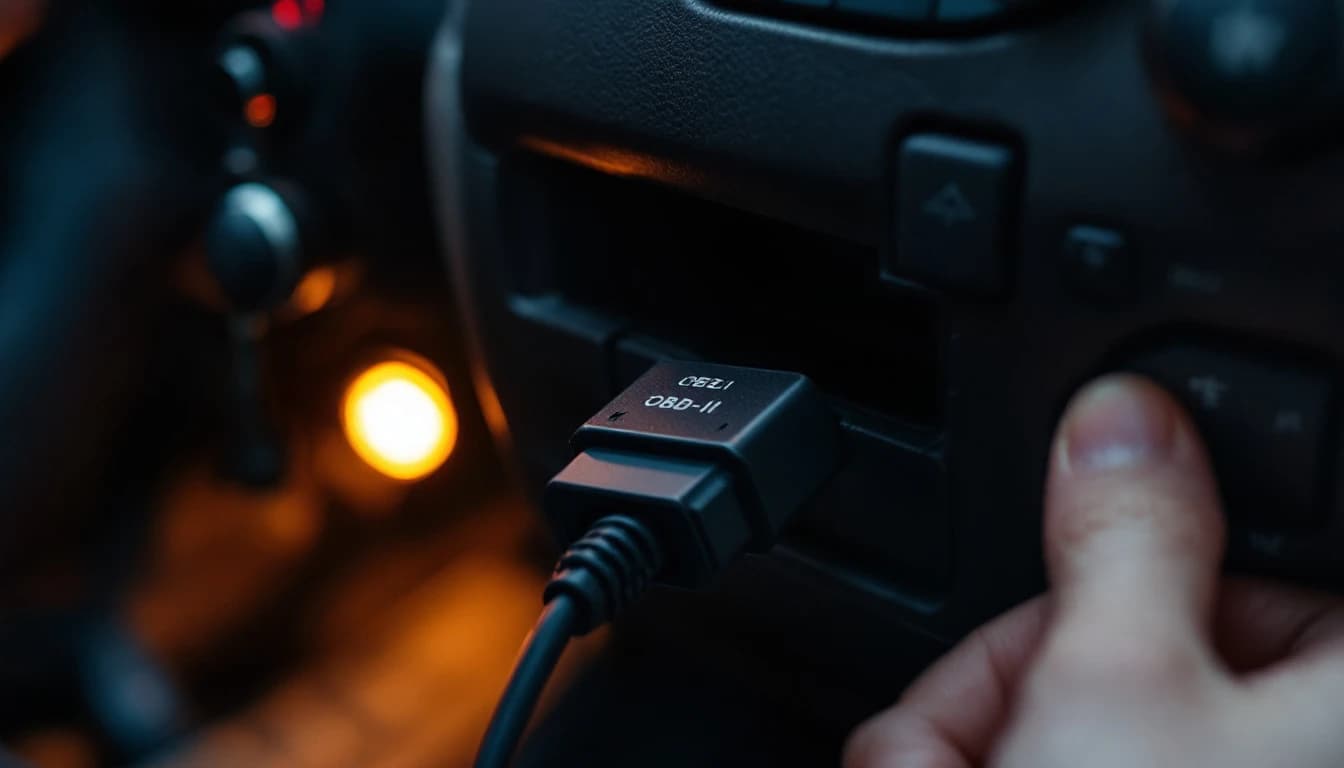
Voltage collapse mid-write. The single most common cause. A European car sitting with the ignition on, doors open, hazards flashing and a laptop drawing from the OBD port will sag its battery faster than people expect. A voltage dip during a write leaves a partially written data block — which is worse than no write at all, because the module now holds data that is internally inconsistent. Professional practice is a regulated power supply on the battery for the entire procedure, not a jump pack and optimism.
The wrong software for the exact platform. European platforms fork constantly, and two cars of the same model year can carry different security architecture. A tool that reports it supports the model may not support that sub-variant. The write executes, the module accepts data it cannot use, and the car stops trusting anything.
A key that is not what it claims to be. Cheap aftermarket blanks and pre-cloned fobs from an online marketplace are the second big source. Some cannot hold the credential the platform requires; some carry data from a previous vehicle that collides with the write. The tool reports success. The car disagrees.
Ignoring component protection or the gateway. On newer Audi and Volkswagen platforms a module carries protection tying it to one specific vehicle, and on most European platforms from roughly 2018 onward a security gateway stands between a diagnostic tool and anything worth writing to. Attempts to write around either can leave the vehicle in a state where the security chain is broken end to end. Our note on security gateway module key programming from 2018 onward covers where that line falls.
Stopping halfway. A tool disconnected, a laptop asleep, an operator who cancelled a dialogue they did not understand. Interrupting an active write is functionally identical to a voltage collapse.
What you actually see afterwards
The symptoms are graded, and the grade predicts the price.
The car starts with the old key but the new key does nothing. The best outcome. The write failed cleanly and the module rejected it. Nothing is broken; the job simply has not happened yet.
The car starts intermittently, or starts and stalls. The key table is inconsistent. The module accepts a credential on some cycles and not others. Recoverable at data level in most cases, and the cheapest real repair in this category.
No key works any more, dash lights normally, no crank. The write corrupted the key table or the module's status flags. This is the classic outcome and the one most people arrive with. Frequently recoverable, sometimes requiring the module out on a bench.
The module does not respond to a scan tool at all. The module is offline — either bricked by an interrupted firmware write or electrically damaged. This is the row where cloning onto a donor or full replacement enters the conversation.
Other systems are now misbehaving. Warning lights, comfort features dead, communication faults across the bus. Usually a symptom of the same voltage event that killed the write rather than a second failure, and often it resolves once the primary fault is repaired and the battery is properly charged. Our guide to a car that will not start after a module or ECU swap walks that broader pattern.
What recovery costs in DFW
As of August 2026 in the DFW service area. These are planning numbers, not quotes — the honest version of this quote requires a diagnostic read, because the whole point of the category is that the car's state is unknown until somebody looks.
| Recovery outcome | Mobile (DFW) | Typical dealer path | Recoverable? |
|---|---|---|---|
| Diagnostic read of module state | $90–$150 | $185–$295 | Always the first step |
| Failed write rejected cleanly, redo the job properly | Normal key price, $300–$600 European | Full price plus tow | Yes, nothing broken |
| Key table inconsistent, data-level repair | $300–$500 | $800–$1,400 | Usually |
| Module data corrupted, bench-level repair | $400–$700 | Not offered — dealer replaces | Usually |
| Module dead, data readable, clone onto donor | $700–$1,200 | Not offered — dealer replaces | Yes, keys survive |
| Module unrecoverable, replace and re-pair keys | $1,200–$1,800 | $2,500–$4,000 + tow | New keys required |
| Component protection or gateway-locked module | Quoted per VIN | Dealer-side procedure | Platform-dependent |
What to do in the first hour
If a write has just failed on your car, the next few decisions matter more than anything after them.
- Stop. Do not retry the procedure, and do not let anyone else retry it. Repeated failed writes on some platforms consume finite write cycles or push a module from recoverable into replaced. The most expensive cars in this category are the ones somebody tried four times.
- Do not disconnect the battery to reset it. It does not clear the fault, and on some European platforms losing power in an inconsistent state makes things worse rather than better.
- Put the vehicle on a proper charger. Not because it will fix the fault, but because everything that happens next requires stable voltage, and a battery that has been cranked and sat with the ignition on for two hours is not stable.
- Write down exactly what was attempted. Which tool, which key, which procedure, where it stopped, what the tool said. A recovery technician who knows what was written can often go straight to what needs repairing.
- Keep every key, including the failed one. The key that did not take frequently still carries useful data, and the original working keys matter enormously to what is recoverable.
How recovery actually goes
A recovery job runs in a predictable order, and it is worth knowing so you can hear whether the shop is following it.
Read before writing anything. The module's current state is read and preserved. A shop that starts by writing has skipped the only step that makes the rest reversible.
Repair data first, hardware last. Most failed writes leave healthy hardware holding wrong data. Correcting the data in place is the cheapest good outcome and it should be attempted before anyone prices a module.
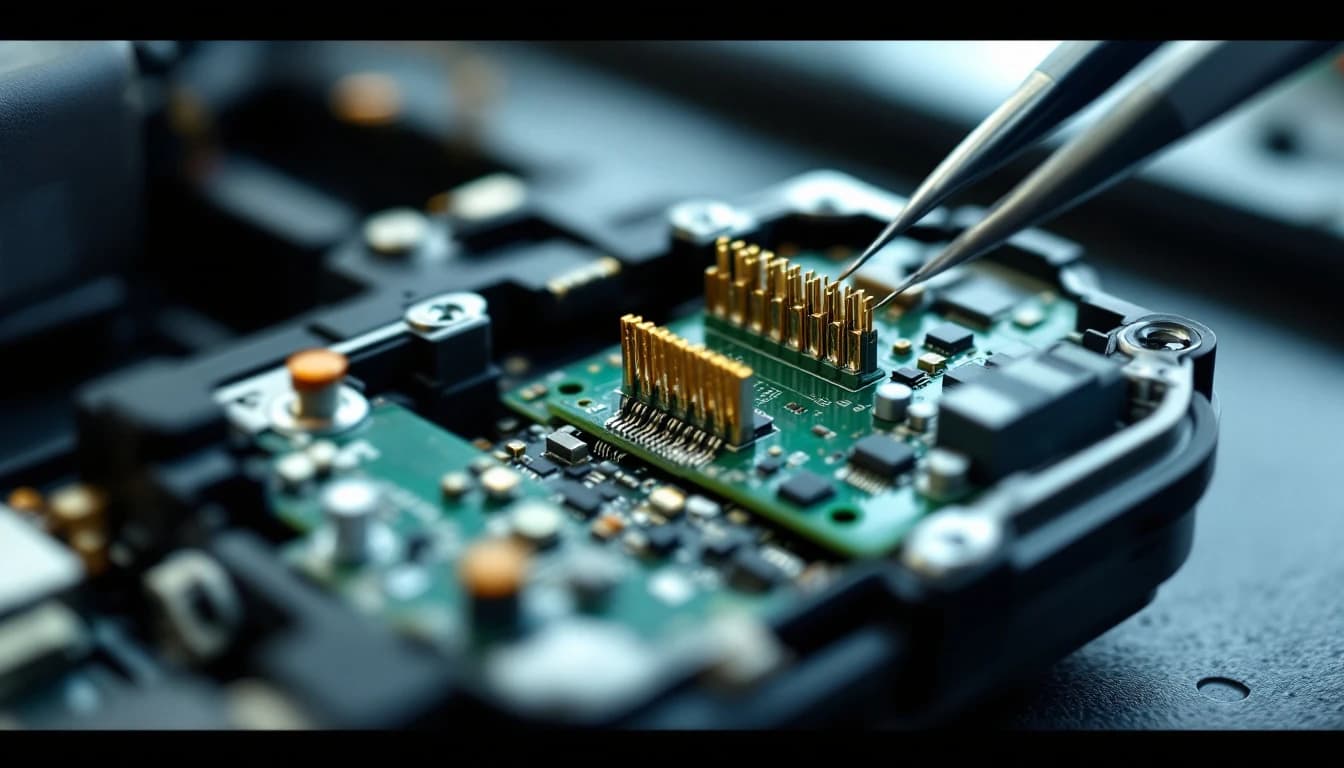
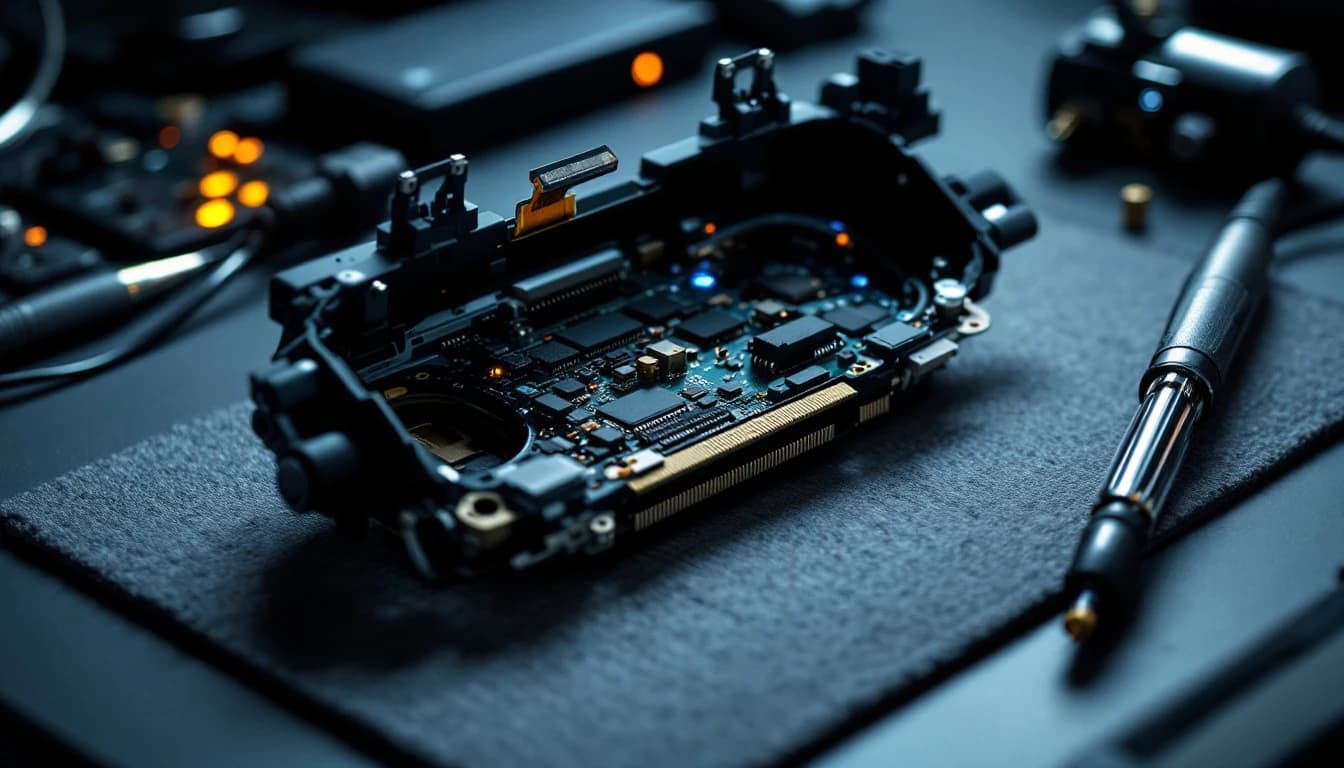
Bench work when the vehicle path is closed. If the module will not communicate in the car, it comes out and gets addressed directly. That is not an escalation to be feared; it is often what saves the four-figure outcome.
Clone before replace. If the board is dead but the data is readable, a donor module receives that data and the vehicle sees the module it always had — with existing keys still working. The general distinction between these operations is covered in our explainer on flash, clone, code and adapt.
Replace only as a conclusion. A virgin module means fresh personalisation and new keys, because old keys cannot be taught to a module that never knew them. On Mercedes that path is priced in our Mercedes EIS/EZS repair versus replacement cost breakdown.
Avoiding the whole category
Most of these jobs were preventable, and the prevention is unglamorous:
- Buy the spare while a key still works. Nearly every high-risk write in this category happens on an all-keys-lost car, because that is the job that requires touching security data at all. Our guide on why a spare costs a fraction of an all-keys-lost call makes the case with numbers.
- Do not buy the key first. An online fob bought before the diagnosis is the most common ingredient in these failures.
- Ask what power supply is used during programming. It is the single most diagnostic question an owner can ask, and a specialist will answer it happily.
- Ask whether the shop can read the module before writing to it. Tools that can only write are the ones that create this work.
- Know which platform you are on. Our BMW key system decoder and Audi immobilizer generation decoder identify the architecture before anyone plugs in, and our overview of which car modules need the dealer and which do not sets expectations for what is even possible independently.
For choosing who does the work, our guide to BCM programming near me and vetting a module shop covers the three questions worth asking, and the broader programming landscape is mapped in our ECM, BCM and TCM computer programming overview. Locksmith companies in Texas are licensed by the Texas Department of Public Safety Private Security Program under Occupations Code Chapter 1702 — never TDLR. Not Your Basic Locksmith operates under Texas DPS certificate #B28531501.
Frequently Asked Questions
Someone tried to program a key and now my car will not start at all. Is it ruined?
Usually not. The most common outcome of a failed write is a healthy module holding inconsistent data, which is repairable at data level for roughly $300–$500 as of August 2026. Genuinely unrecoverable modules exist but are the minority. What raises the risk sharply is repeated retries, so the correct next step is to stop and get the module read before anything else is written to it.
Why did the programming fail if the tool said it worked?
Most often because system voltage dipped during the write, leaving a partially written data block that the tool reported as complete. The other frequent causes are software that does not truly support that exact platform sub-variant, and an aftermarket key that cannot hold the credential the vehicle requires. All three produce a success message and a car that disagrees.
Can the dealer fix a botched programming job?
They can, by replacing the module and re-pairing new keys, which in this metro generally runs $2,500–$4,000 plus a $150–$300 tow. What they do not offer is data-level repair or cloning onto a donor module, because a franchise process is built around replacement. Those two cheaper recoveries are only available from an equipped independent.
Will my existing keys still work after recovery?
If the module is repaired or cloned onto a donor, yes — the key table carries over and the keys you have keep working. If the module has to be replaced virgin, no: it has no record of your old keys and cannot be taught them, so new keys are part of that job and part of its price.
How do I stop this happening in the first place?
Buy a spare key while an original still works, because all-keys-lost is the job that forces the risky writes. Do not buy a fob online before a diagnosis. And ask any shop two questions before booking: what power supply they connect during programming, and whether they read the module before writing to it.
Is a dead battery really enough to corrupt a module?
Not the battery going flat on its own, but a voltage dip at the wrong moment absolutely is. Writes take seconds, and during those seconds the module is mid-update. Professional practice is a regulated supply maintaining stable voltage across the whole procedure — which is why the question about power supply separates equipped shops from the rest.
My car developed other faults after the failed attempt. Are those separate problems?
Usually not. Warning lights and communication faults that appear alongside a failed write are typically products of the same low-voltage event rather than independent failures, and they frequently clear once the primary fault is repaired and the battery is properly charged. They should still be read rather than assumed.
Can recovery be done at my location?
Much of it, yes — reading, data repair and re-pairing are performed at the vehicle. Bench-level work requires the module to come out, which on many platforms still happens on site and on some means the module travels to the workshop and returns. Either way, mobile service removes the tow that a dealership visit would require for a car with no working key.